Restoring Heen Ela Canal — Research-Led UX & Systems Design for Urban Waterways
This project was completed as part of my Master of Design and demonstrates my approach to research-led UX, systems thinking, and social impact design.
Real-World Application
Insights from this research could inform service redesign for councils and public organisations, particularly around citizen engagement and behaviour change.
The process directly translates to product discovery phases, supporting evidence-based problem definition before solution development.
- Project Type: Academic UX / Systems Design Case Study
- Focus: Urban water pollution, citizen engagement, service design
- My Role: Research, UX strategy, visual communication, storytelling
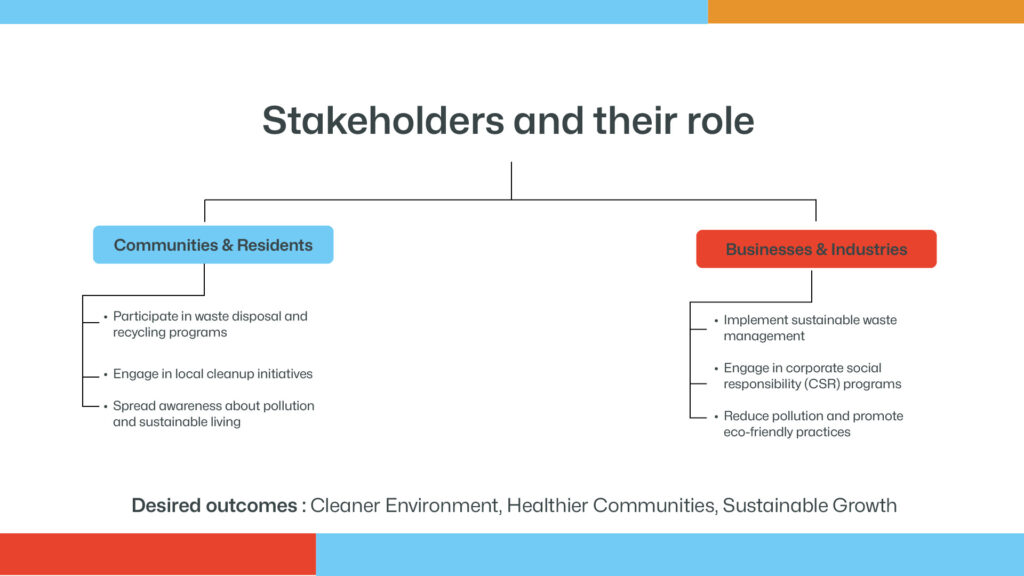
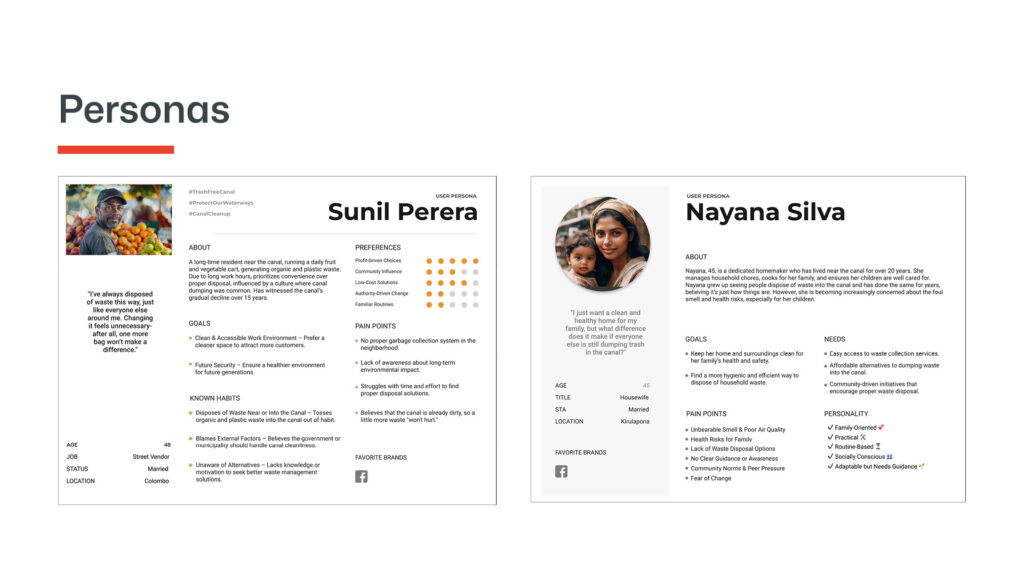
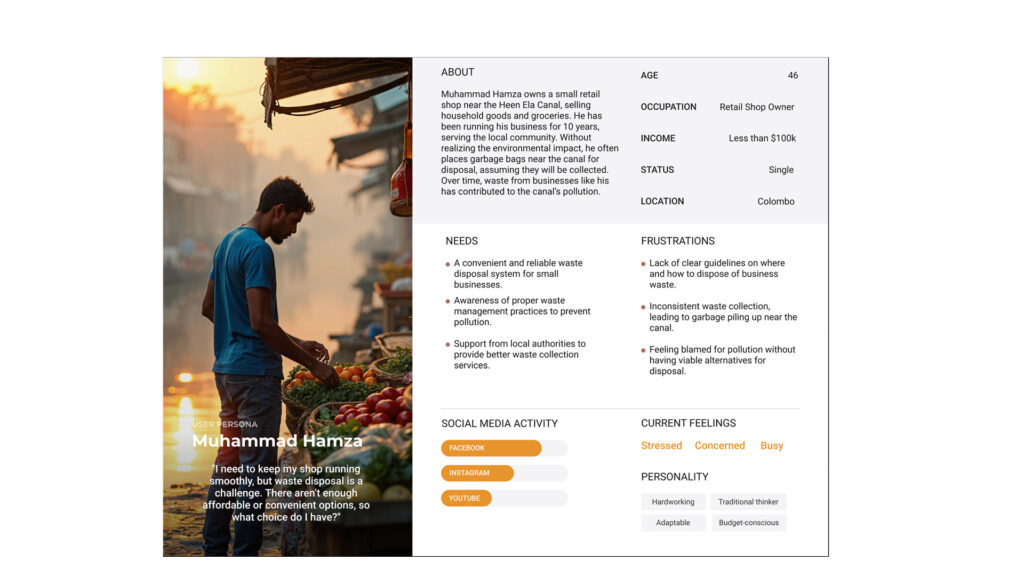
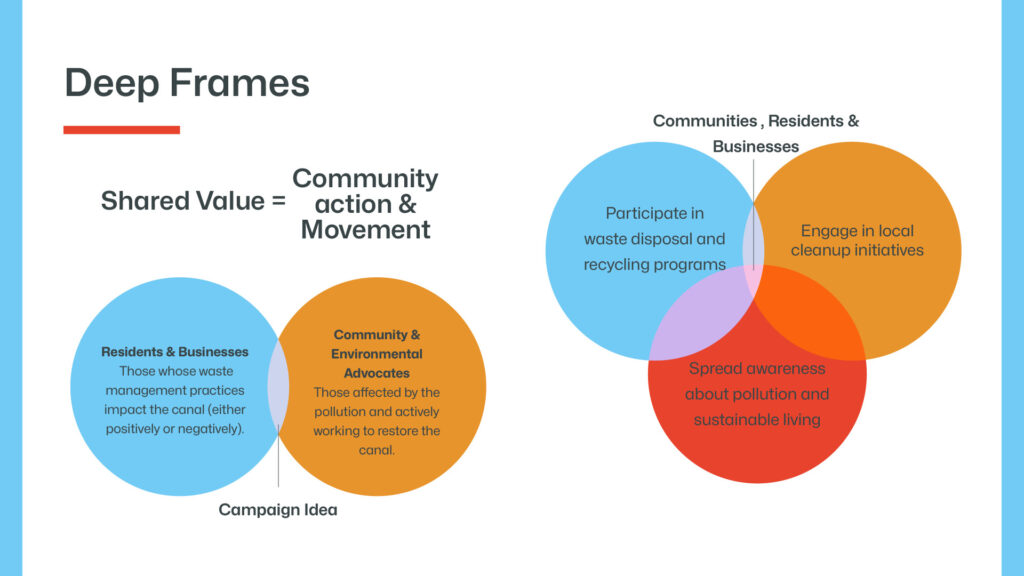
- Methods: Desk research, stakeholder analysis, systems mapping, personas
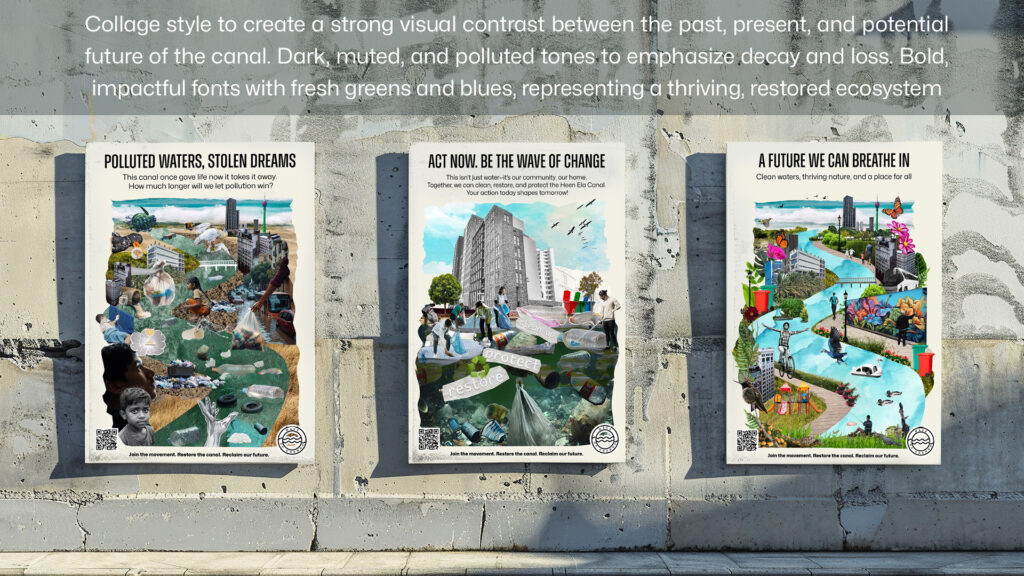
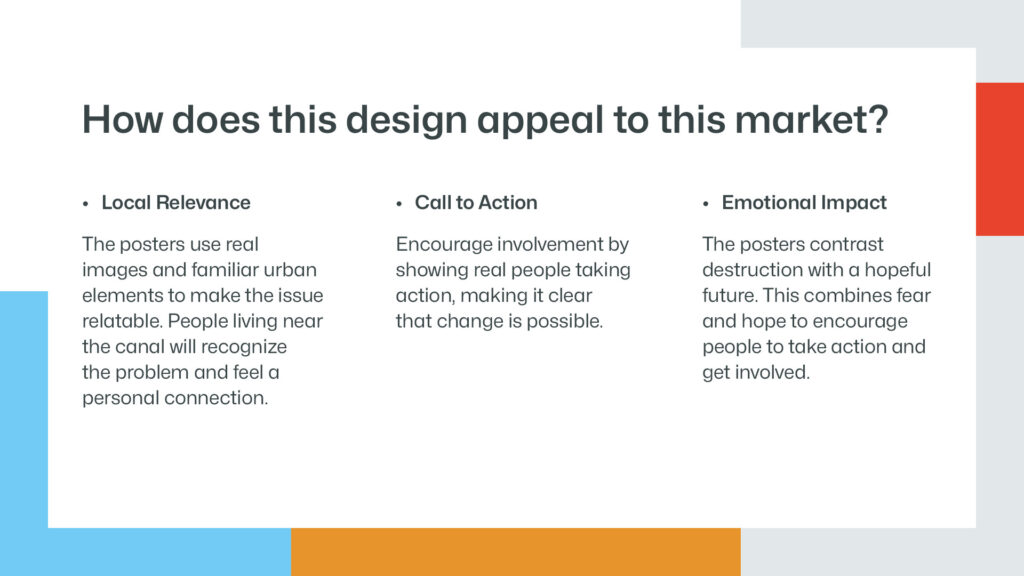
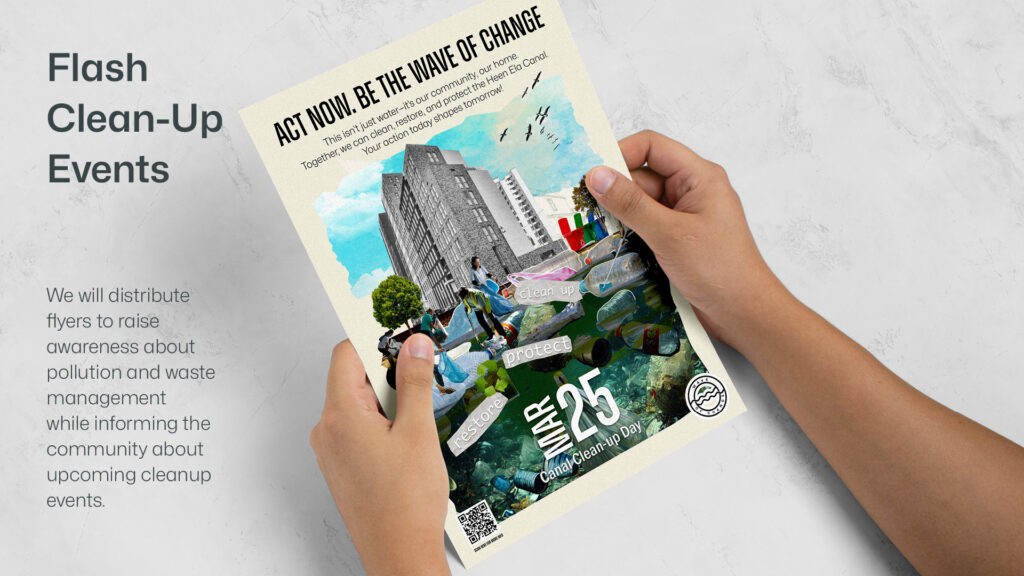
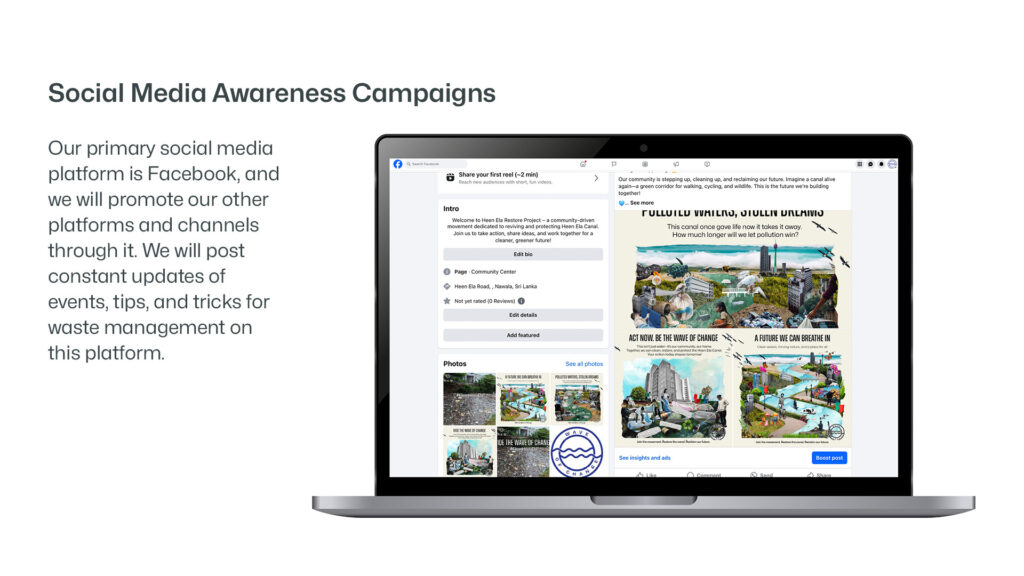
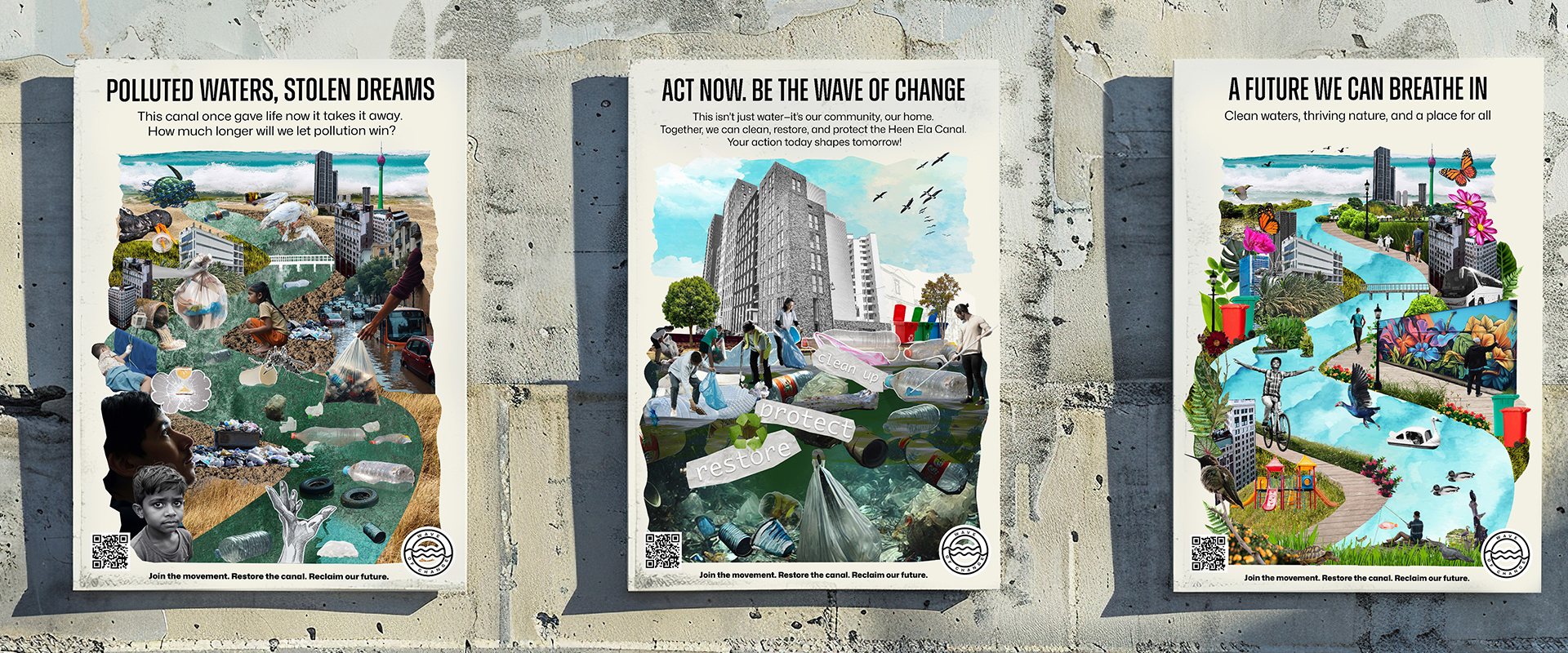
- Outcome: Campaign framework, visual system, triptych posters, awareness assets
- Tools: Figma, Adobe Suite, research synthesis methods
BRIEF:
Changing the Narrative for a Better Future
Connecting Texts, Deciphering Contexts
Media Design School—New Zealand
Challenge
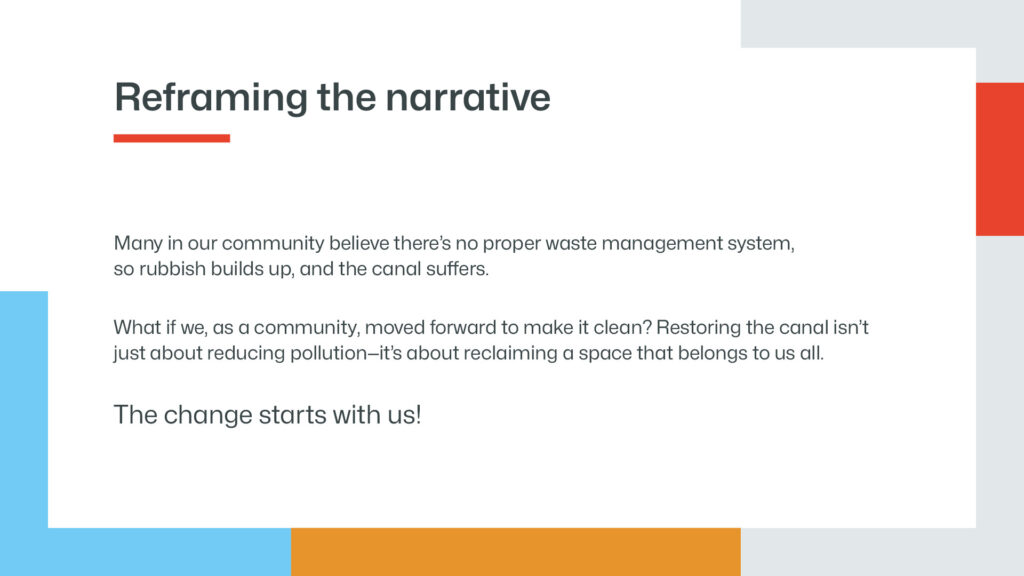
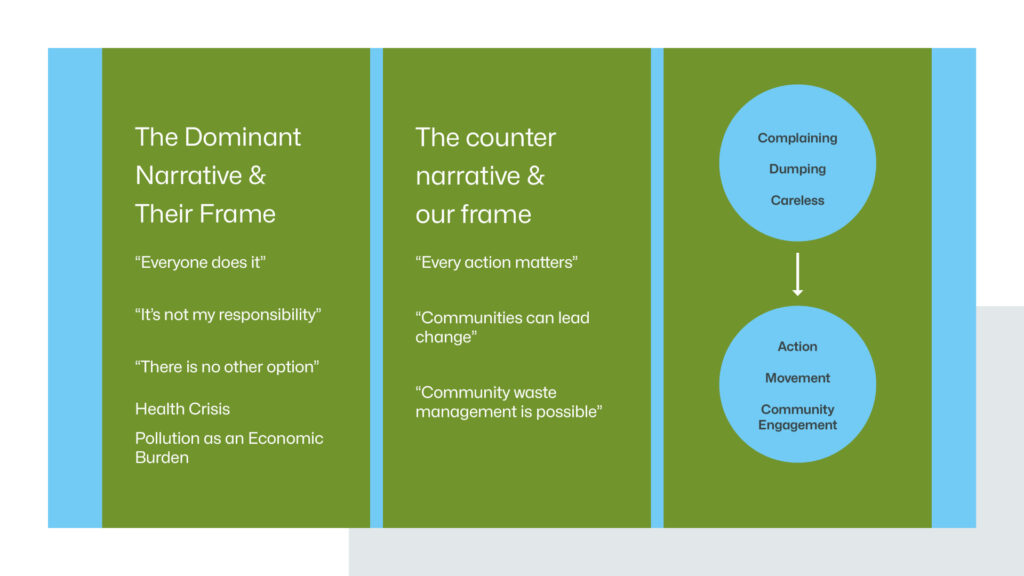
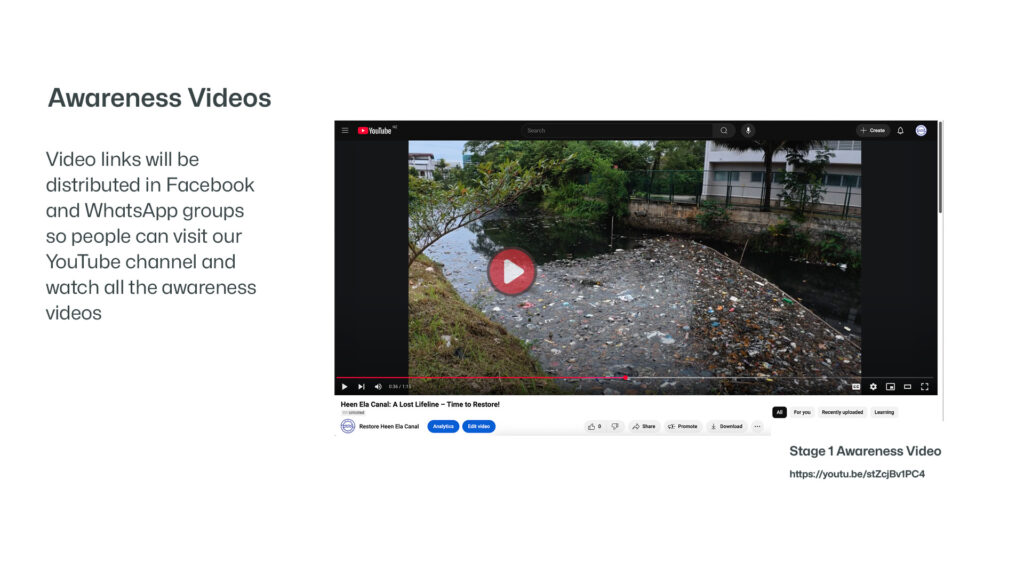
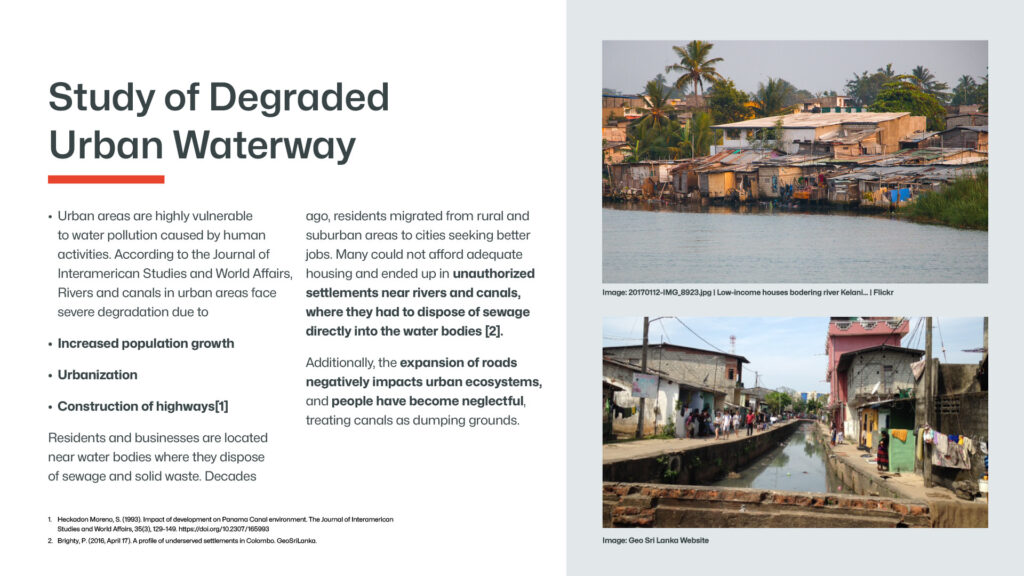
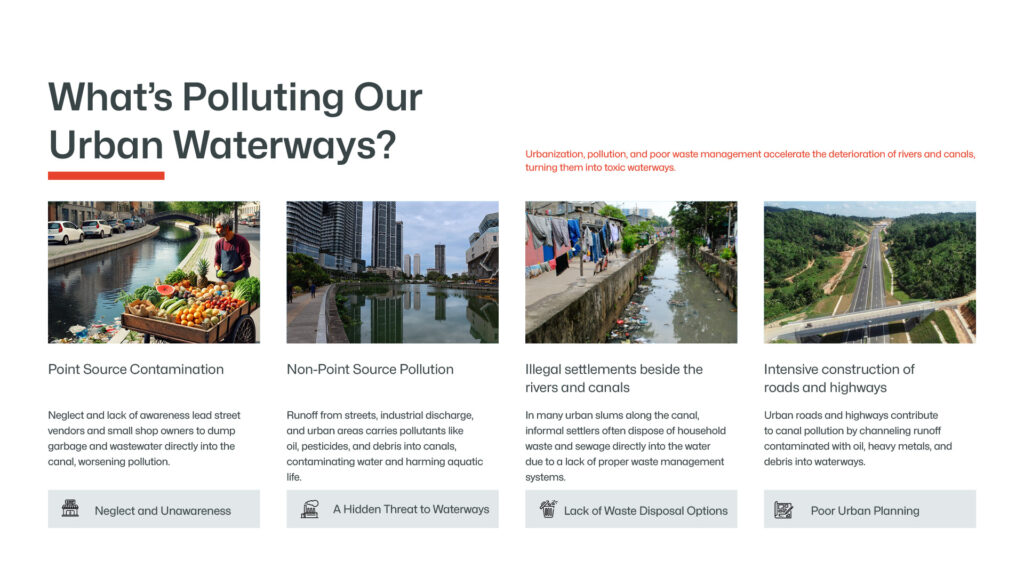
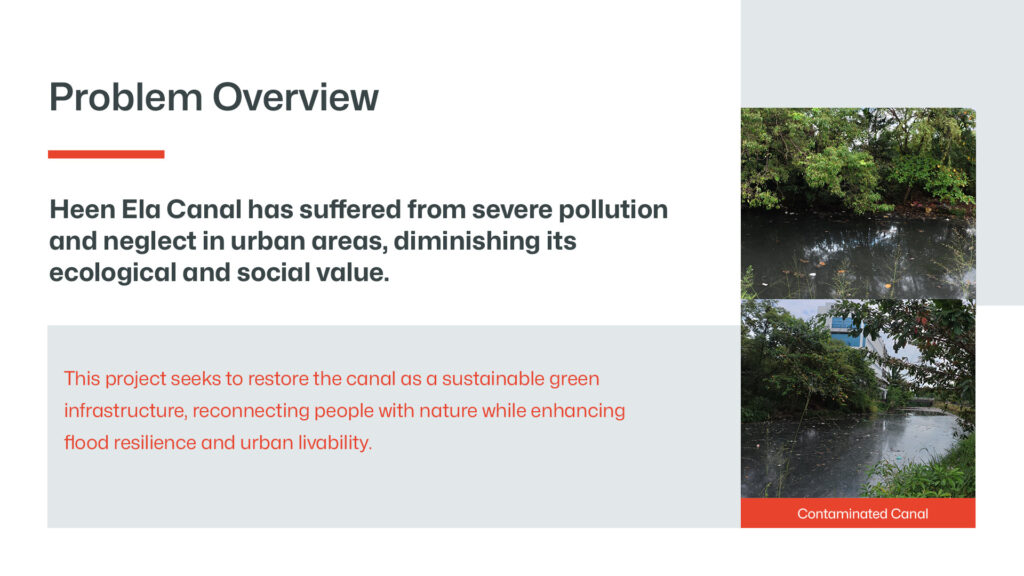
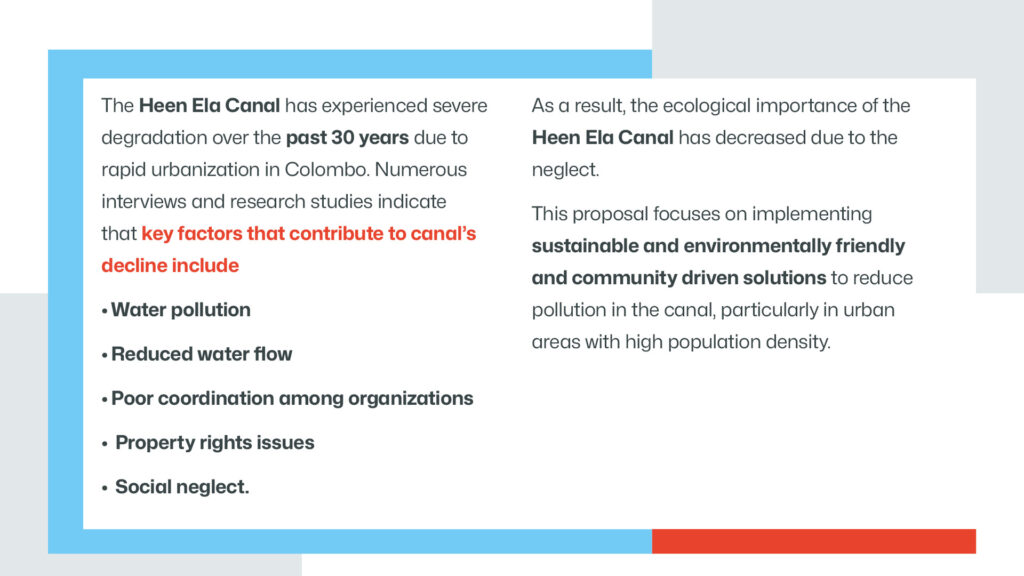
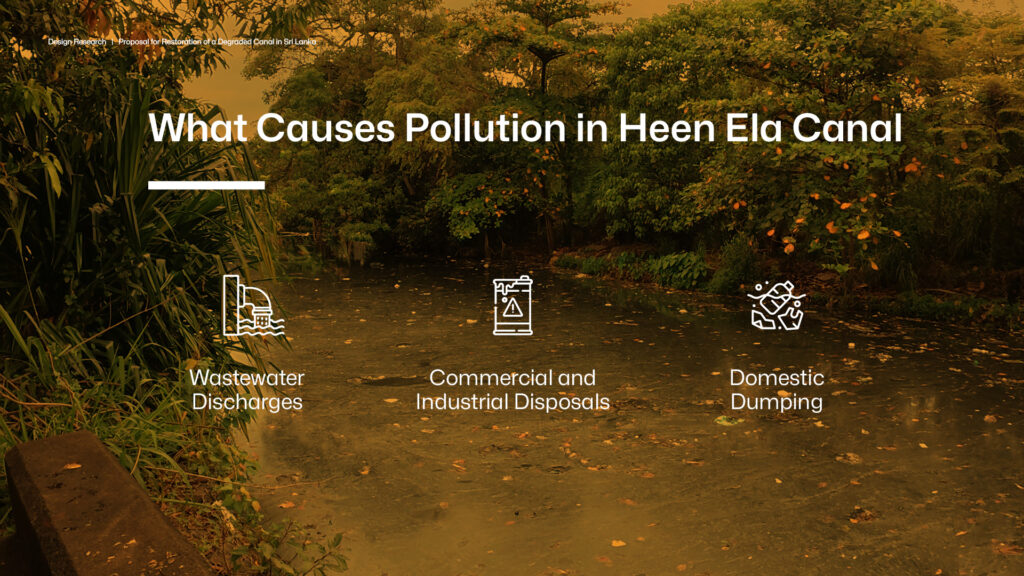
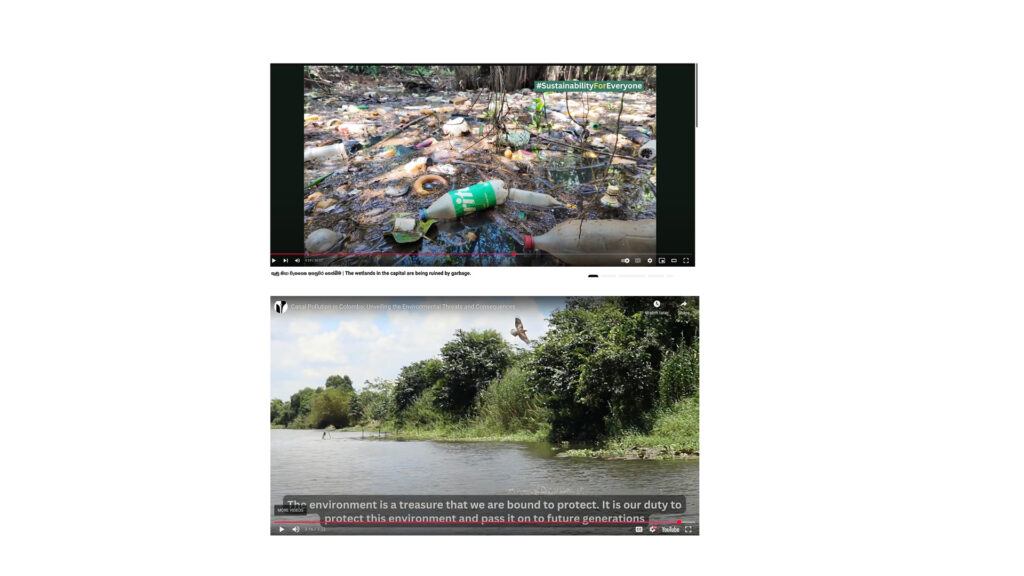
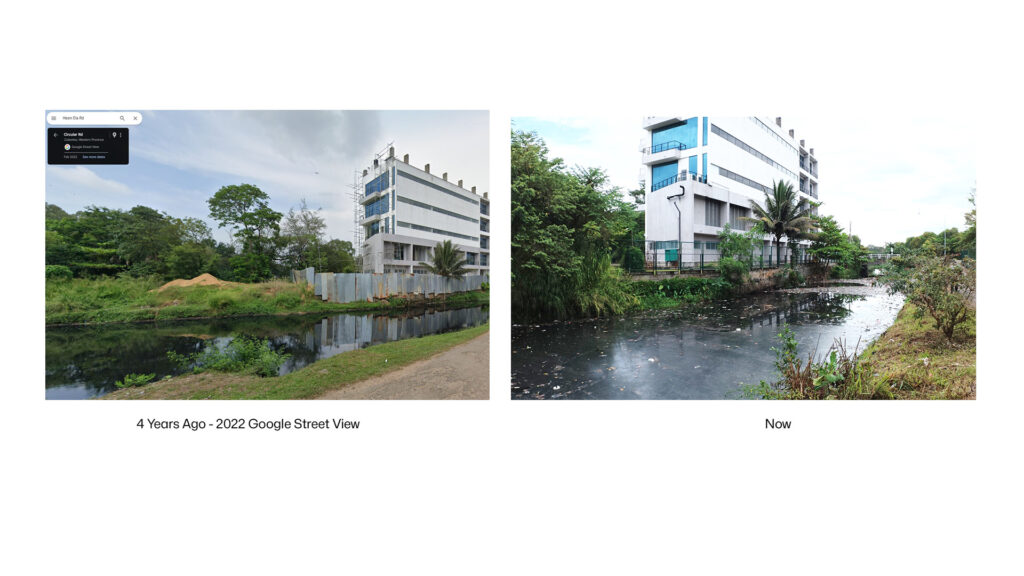
Urban water pollution is often treated as an unavoidable side effect of city growth, with responsibility placed on individuals rather than systems. This results in low visibility, weak accountability, and limited action. The challenge was to reframe the problem from a UX and systems perspective: How might design make pollution visible, actionable, and shared between citizens and authorities?
Background
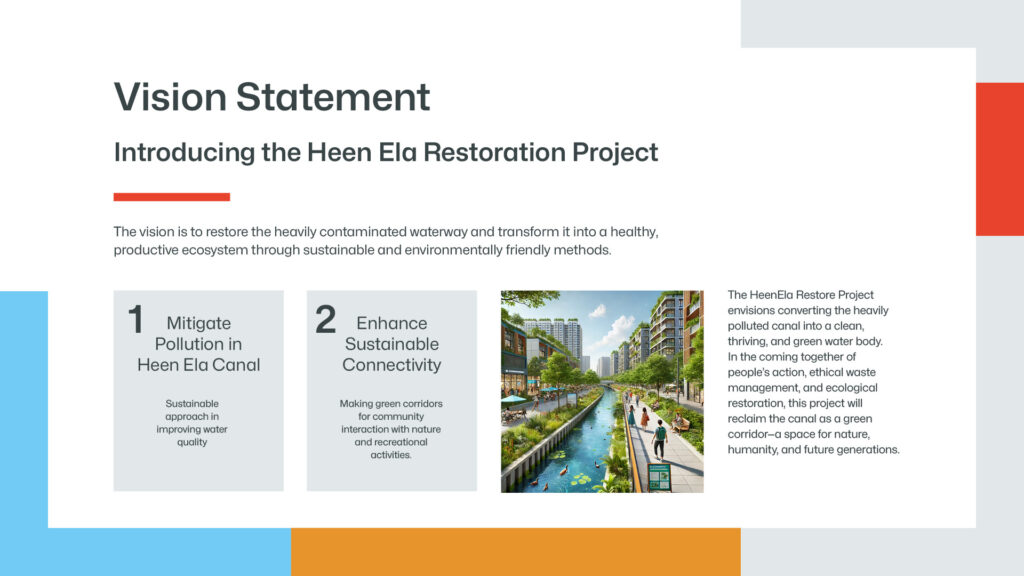
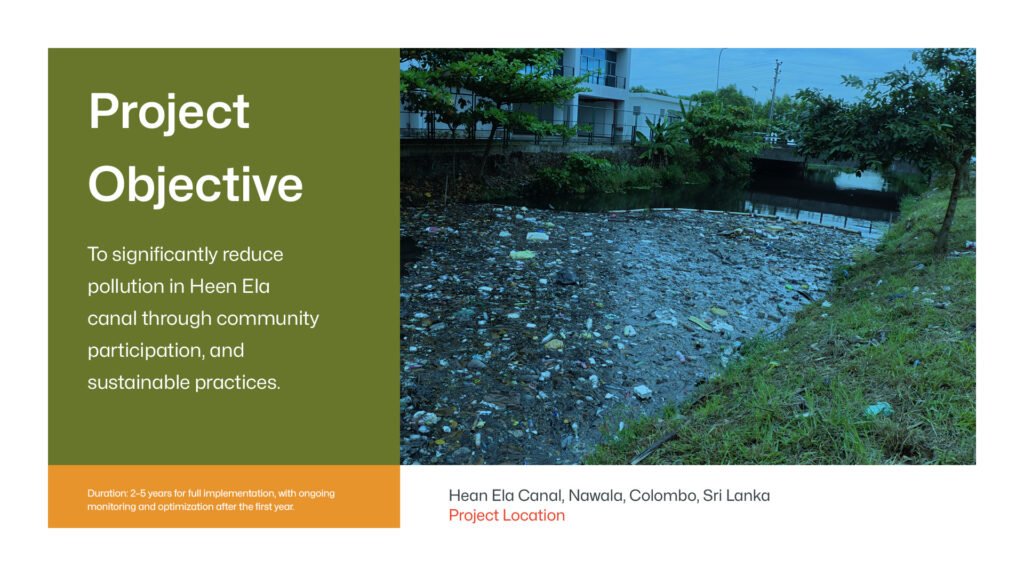
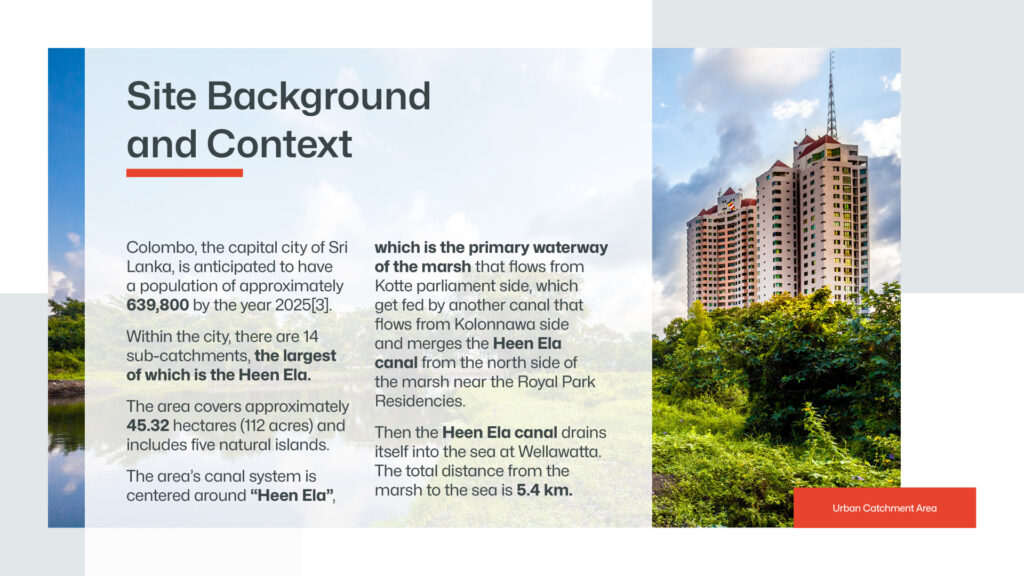
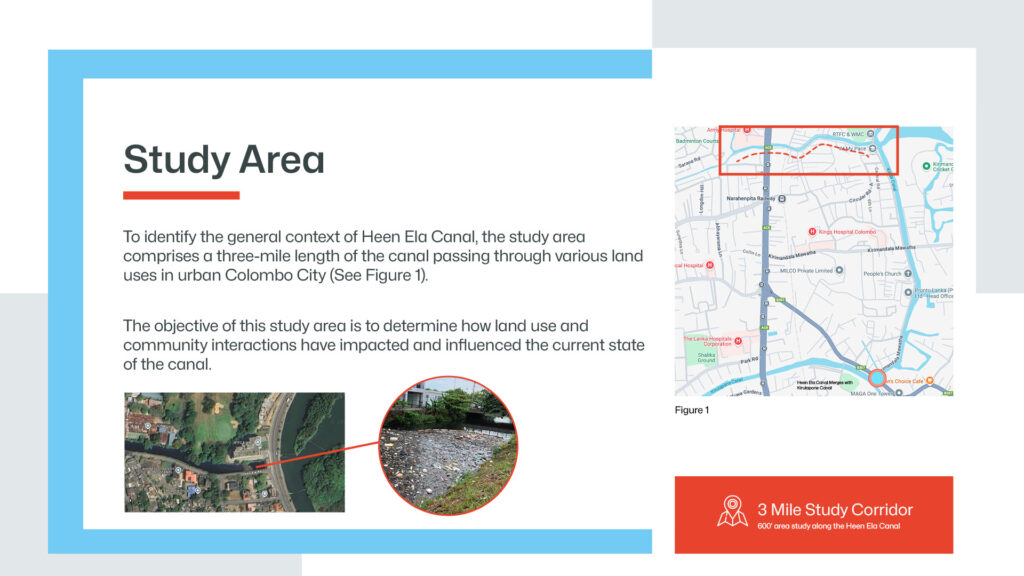
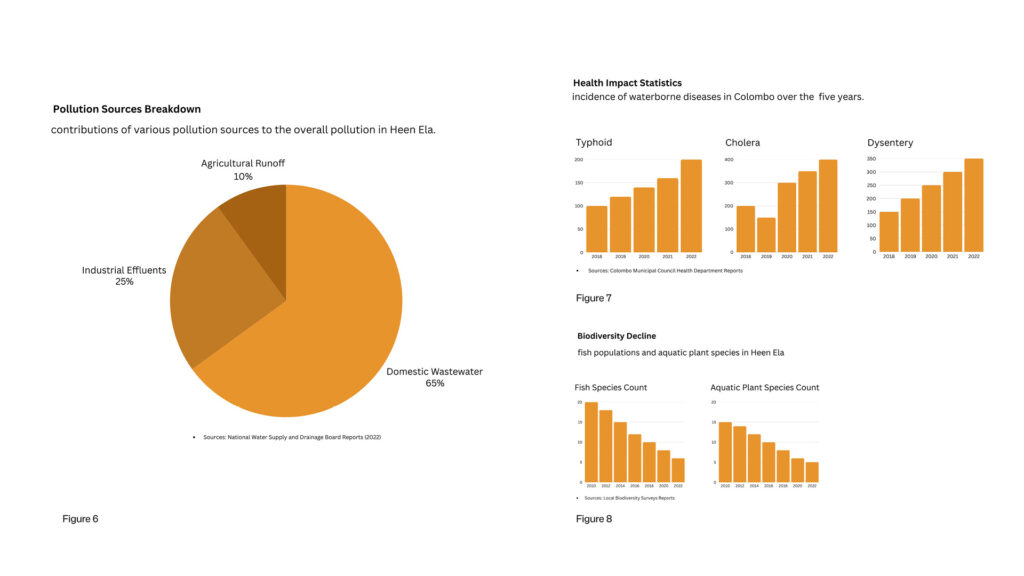
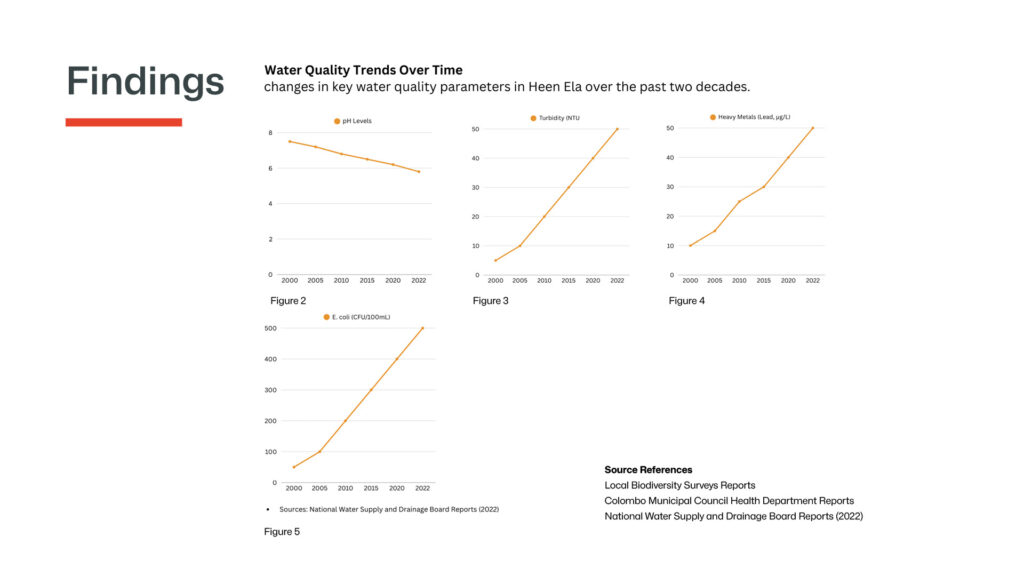
This project explored wastewater pollution in the Heen Ela canal in Sri Lanka through user research, policy review, and environmental case studies. The work situates pollution within a wider urban system involving households, businesses, local authorities, and infrastructure. Aligned with UN SDG 11 (Sustainable Cities and Communities), the project focuses on improving transparency, civic engagement, and environmental accountability in complex urban environments.
Design Approach
The design response follows a phased, community-centred approach that combines immediate environmental action with long-term systemic change.
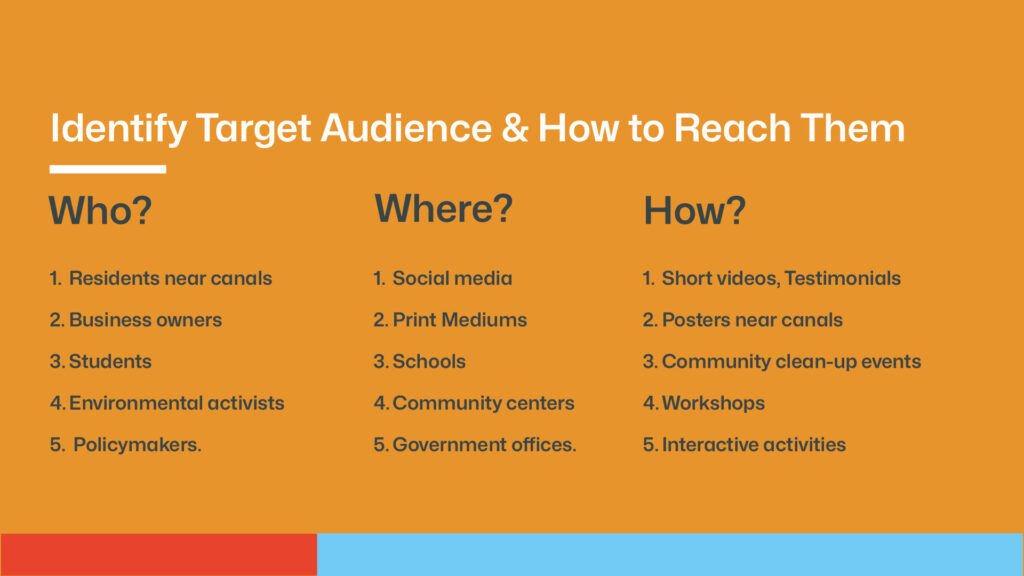
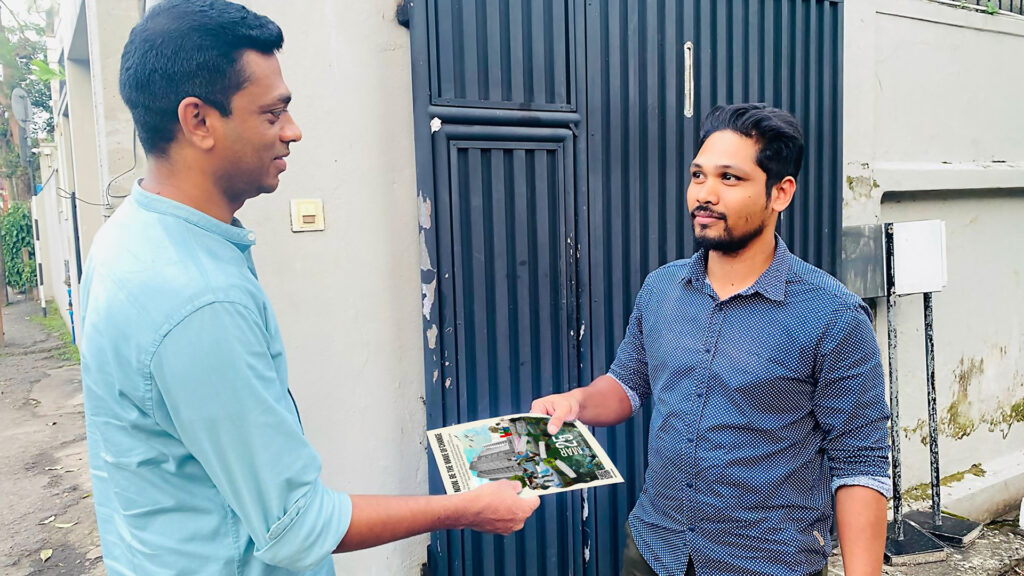
The first intervention focuses on community-led clean-up initiatives to restore sections of the Heen Ela canal. These clean-ups act as both a physical restoration effort and a catalyst for awareness, bringing visibility to pollution that is often ignored while fostering shared ownership among local residents.
Building on this collective momentum, the second phase introduces a citizen reporting app that enables users to document pollution incidents through location tagging and image uploads. This tool supports ongoing monitoring, creates accountability between communities and authorities, and transforms one-off clean-ups into sustained civic participation.
The final phase extends the system toward economic and social empowerment, particularly for women, through recycling-based micro-business opportunities. By connecting waste recovery with income generation, the project reframes environmental care as valuable labour and supports more resilient, circular local economies.
Together, these interventions demonstrate how UX and systems design can link community action, digital tools, and social innovation to create meaningful, scalable environmental impact.