
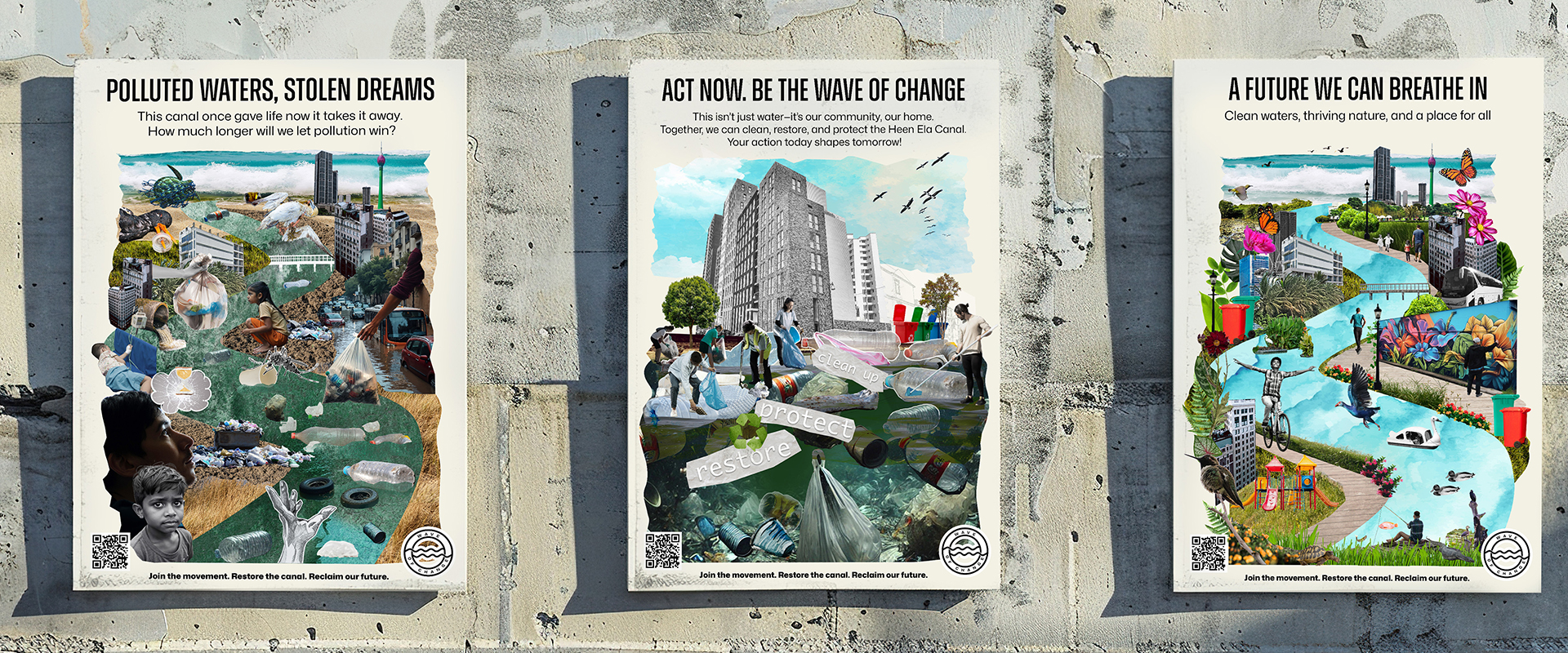
Heen Ela Canal Regeneration
A systems-led communication strategy addressing urban water pollution
Project Snapshot
Project Type: Academic UX / Systems Design Case Study
Focus: Urban water pollution, citizen engagement, service design
Role: Research-led design strategy, systems mapping, campaign concept, visual communication
Approach: Design thinking, systems thinking, narrative reframing
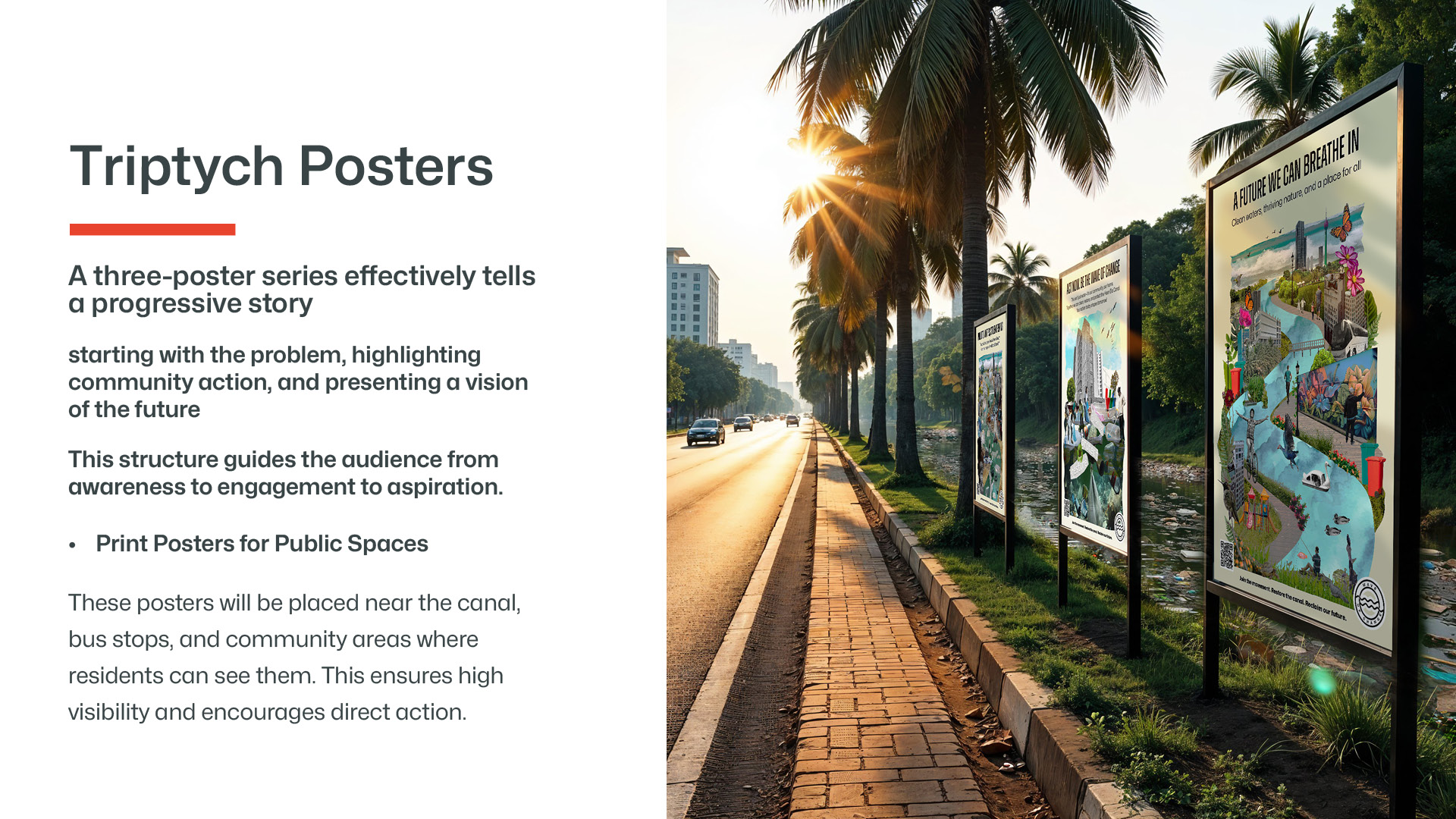
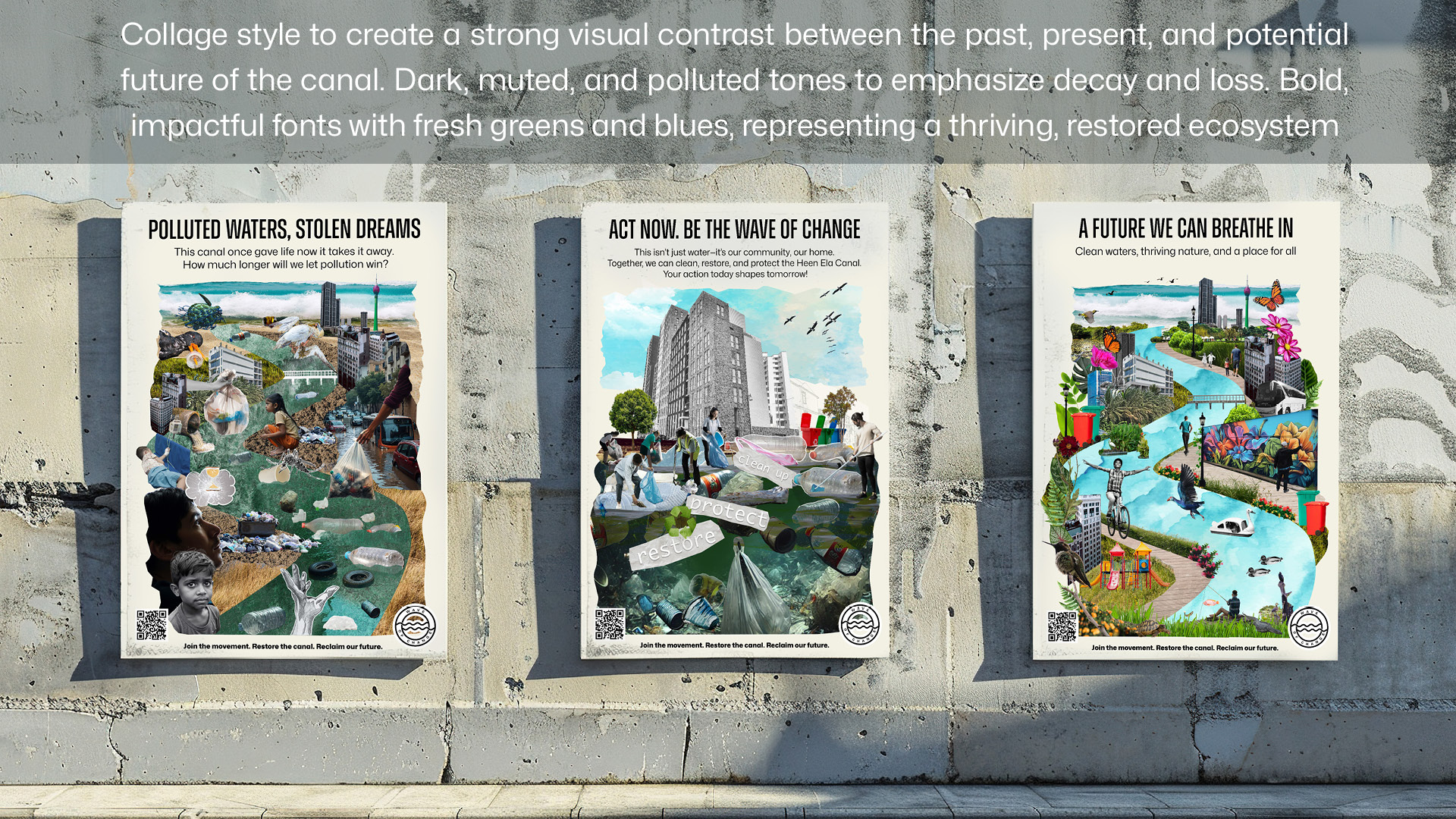
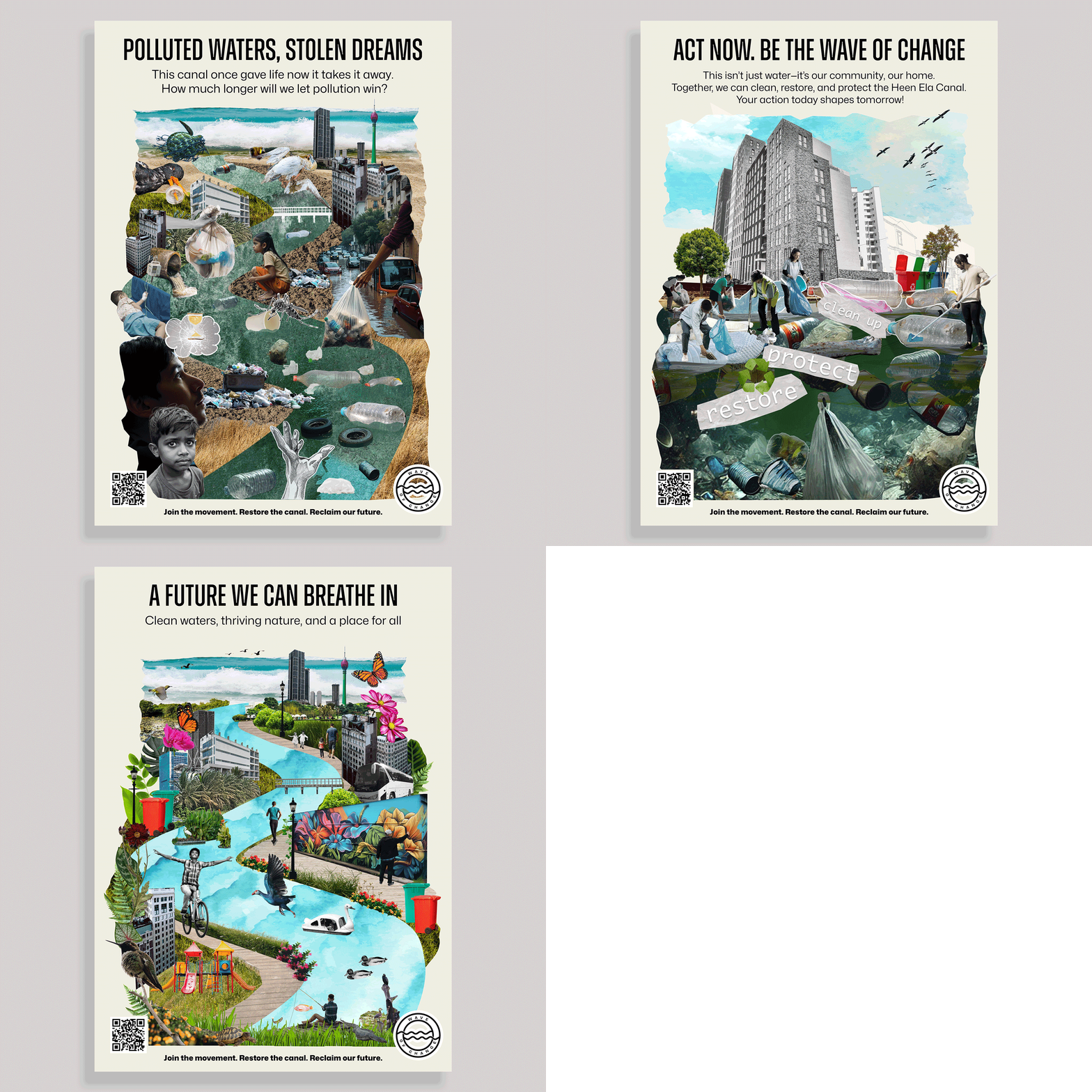
Output: Communication framework, public engagement strategy, triptych poster campaign
Heen Ela is a historically significant canal in Colombo that has suffered from severe pollution due to unmanaged household waste, commercial discharge, and low public awareness.
This project explored how design can move beyond awareness campaigns and function as a behavioural and systems intervention — reframing community responsibility, enabling participation, and supporting long-term environmental impact.
Real-World Application
Insights from this research could inform service redesign for councils and public organisations, particularly around citizen engagement and behaviour change.
The process directly translates to product discovery phases, supporting evidence-based problem definition before solution development.
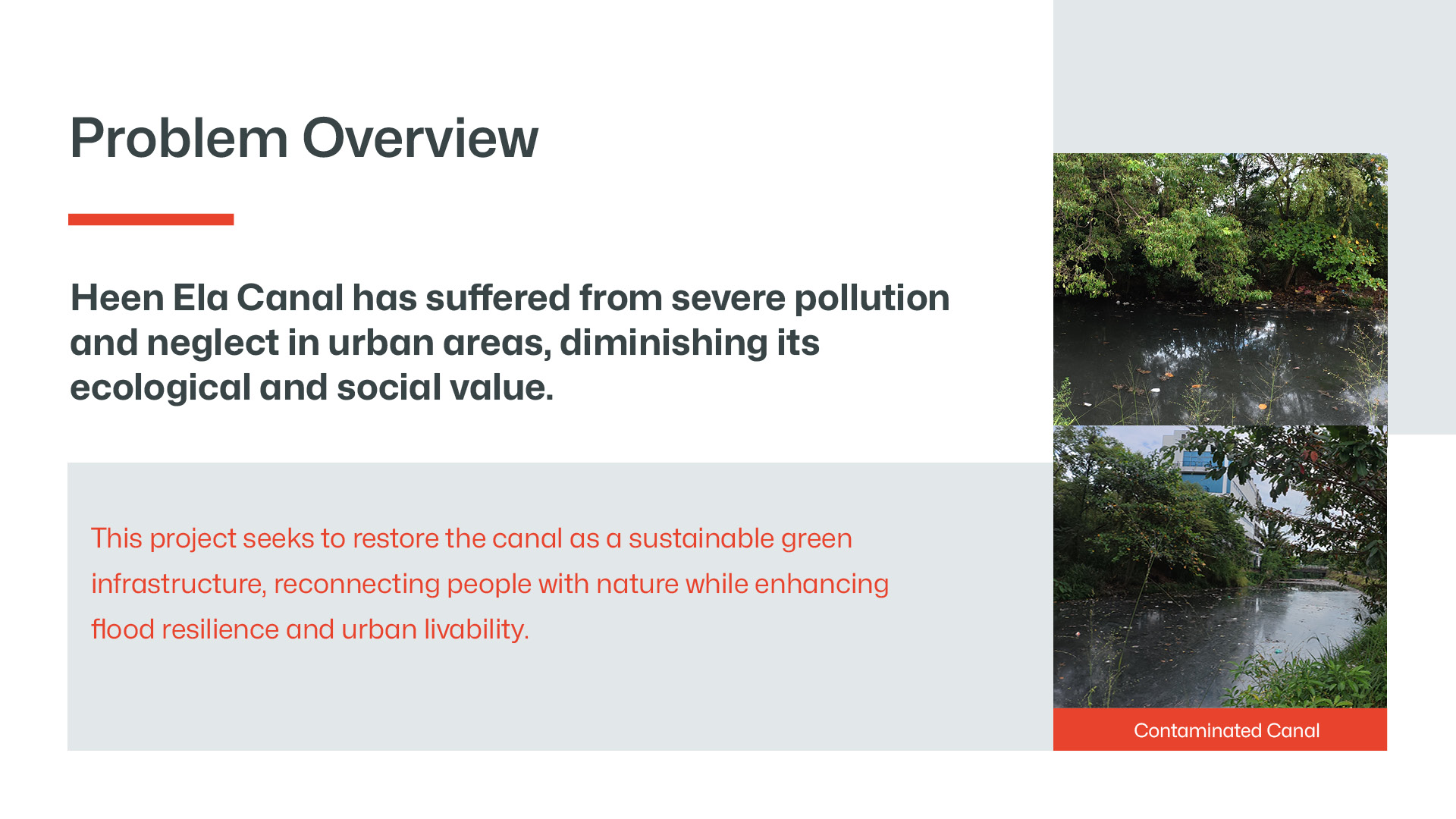
Research & Key Insights
Through contextual research and systems mapping, I identified three critical insights:
- Pollution was normalised within the community.
- Residents felt disconnected from long-term consequences.
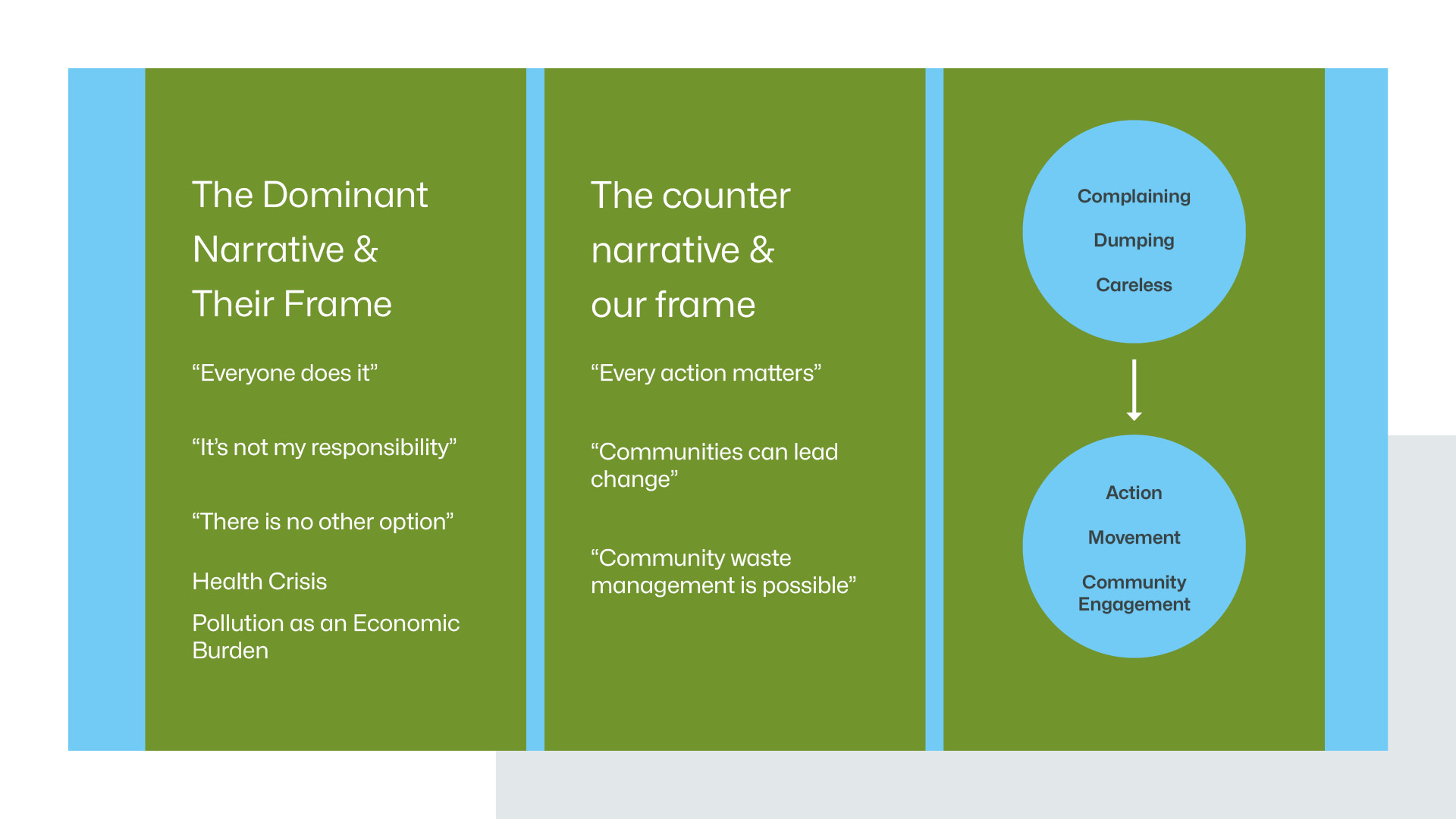
- Existing messaging focused on blame rather than collective ownership.
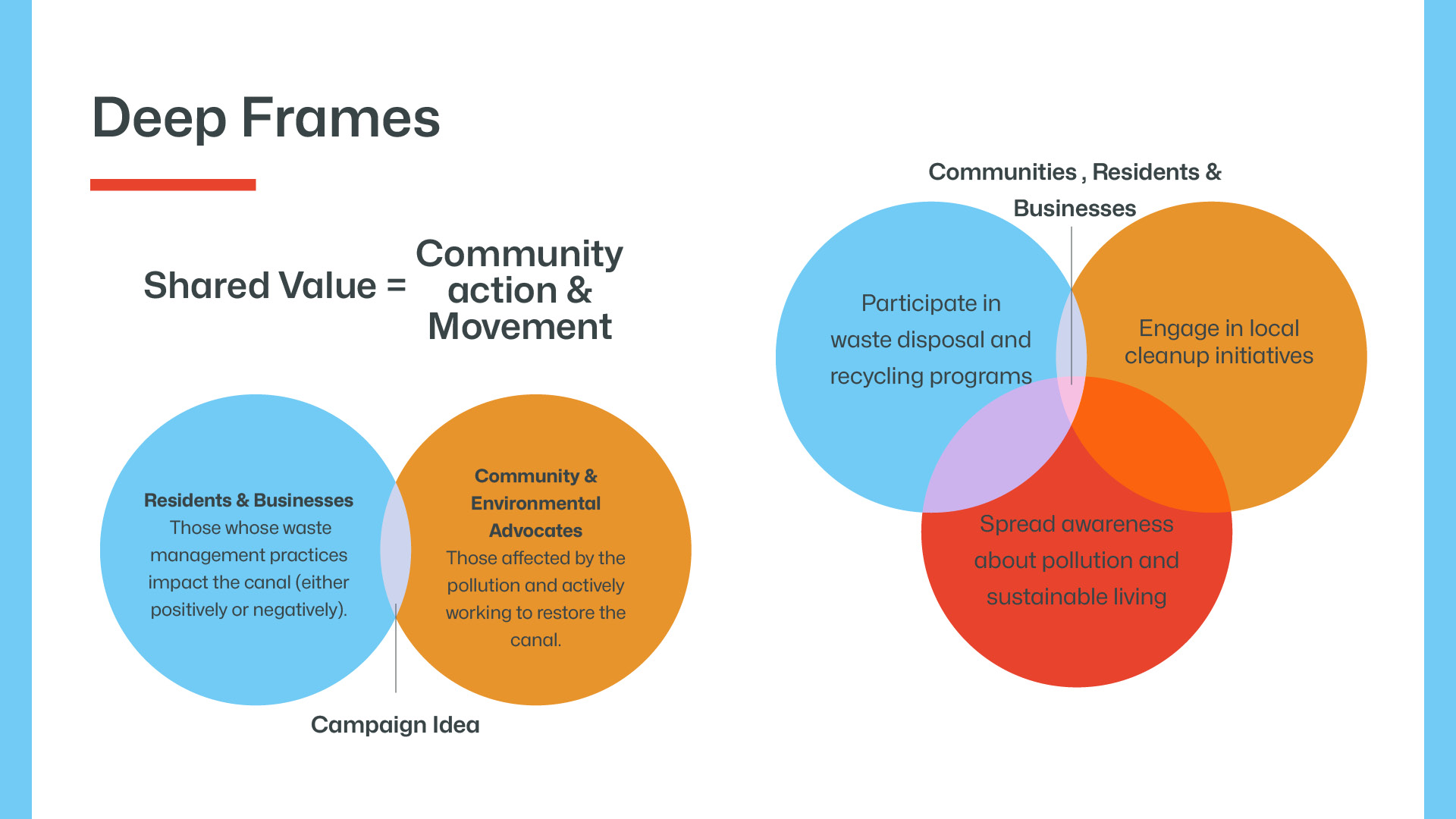
This revealed an opportunity to reposition the canal not as a “waste problem,” but as a shared urban ecosystem requiring collective stewardship.
Systems Strategy
Instead of proposing a single awareness campaign, I designed a phased intervention model:
Phase 1: Immediate Clean-Up Activation
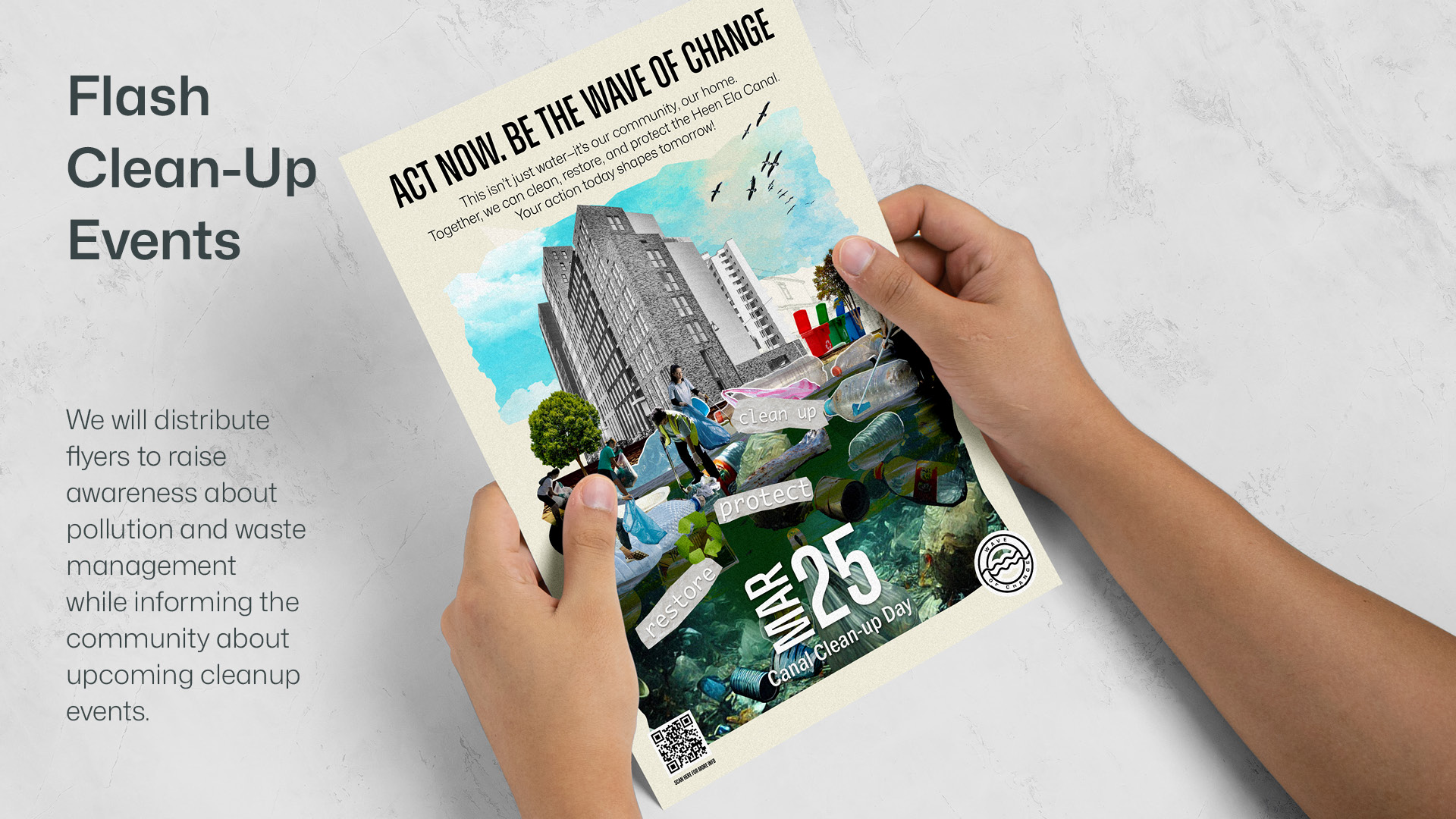
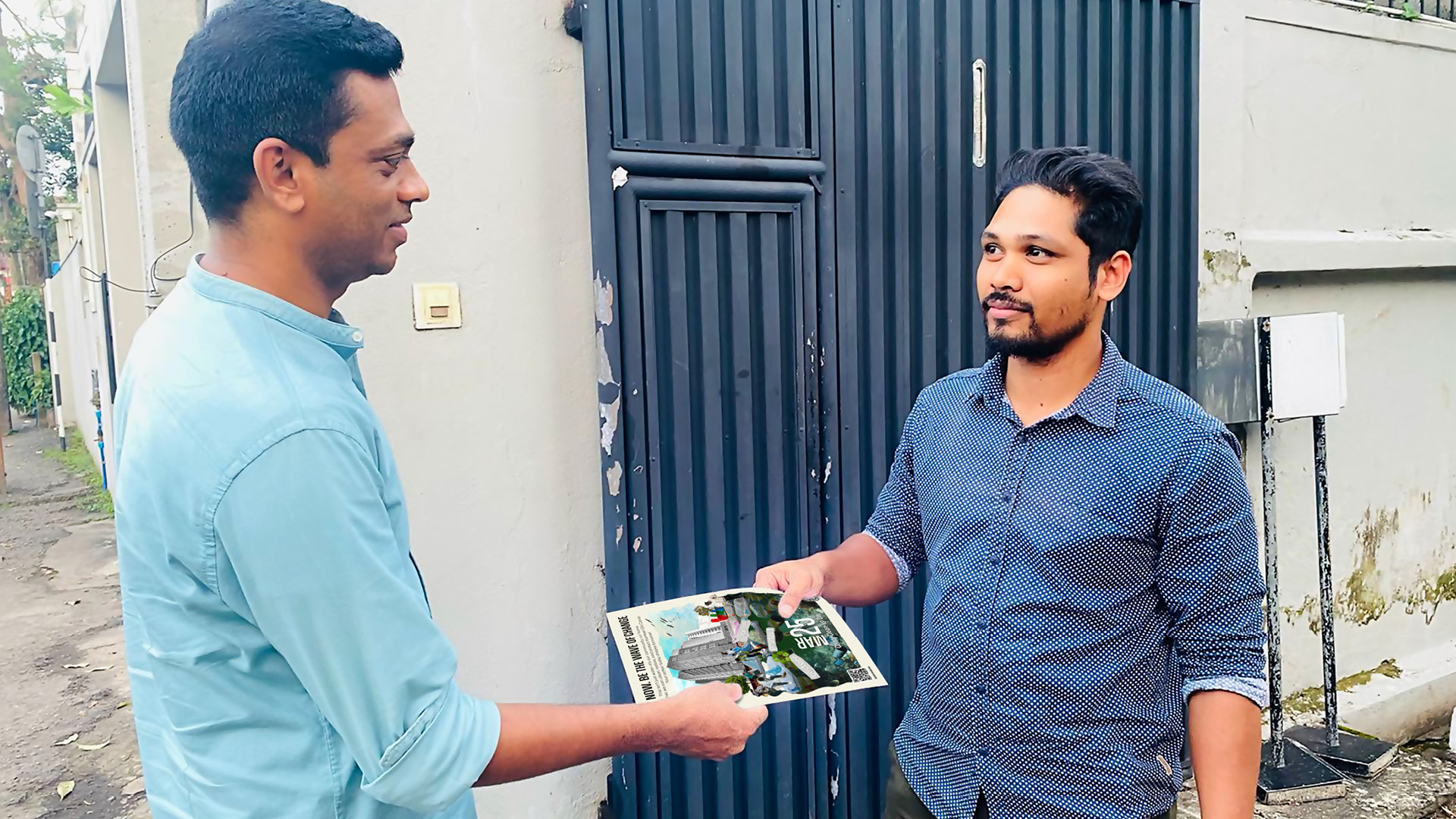
Community-driven flash clean-up initiatives to create visible change and rebuild emotional connection.
Phase 2: Reporting & Monitoring Layer
A proposed lightweight digital reporting tool allowing residents to report waste dumping in real time, creating shared accountability.
Phase 3: Circular Micro-Economy Model
Engaging local small businesses in waste sorting and recycling initiatives to introduce economic incentives and sustainability.
This layered approach reframed the problem from awareness-only to ecosystem-based behavioural change.
Together, these interventions demonstrate how UX and systems design can link community action, digital tools, and social innovation to create meaningful, scalable environmental impact.
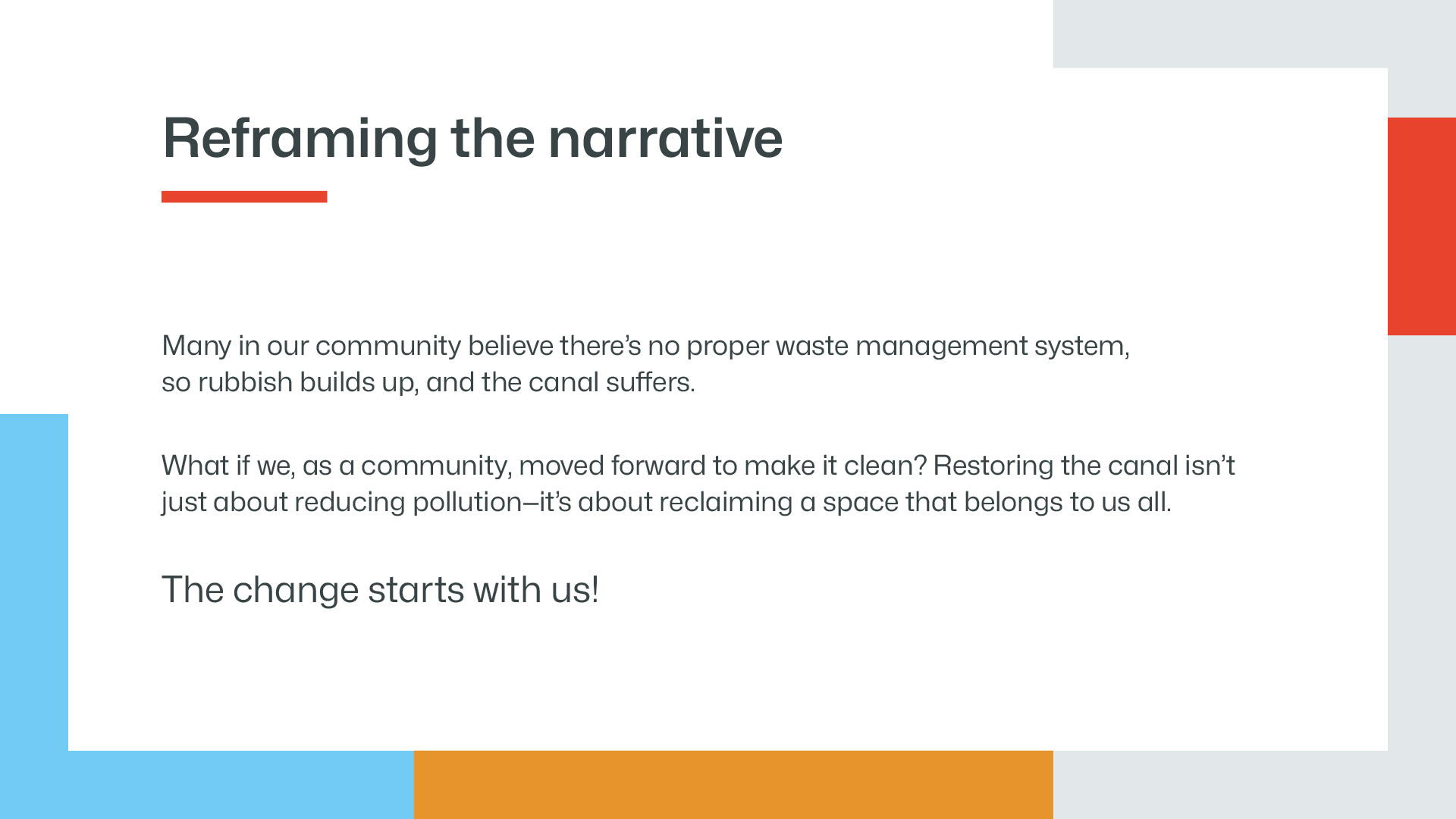
Target Audience
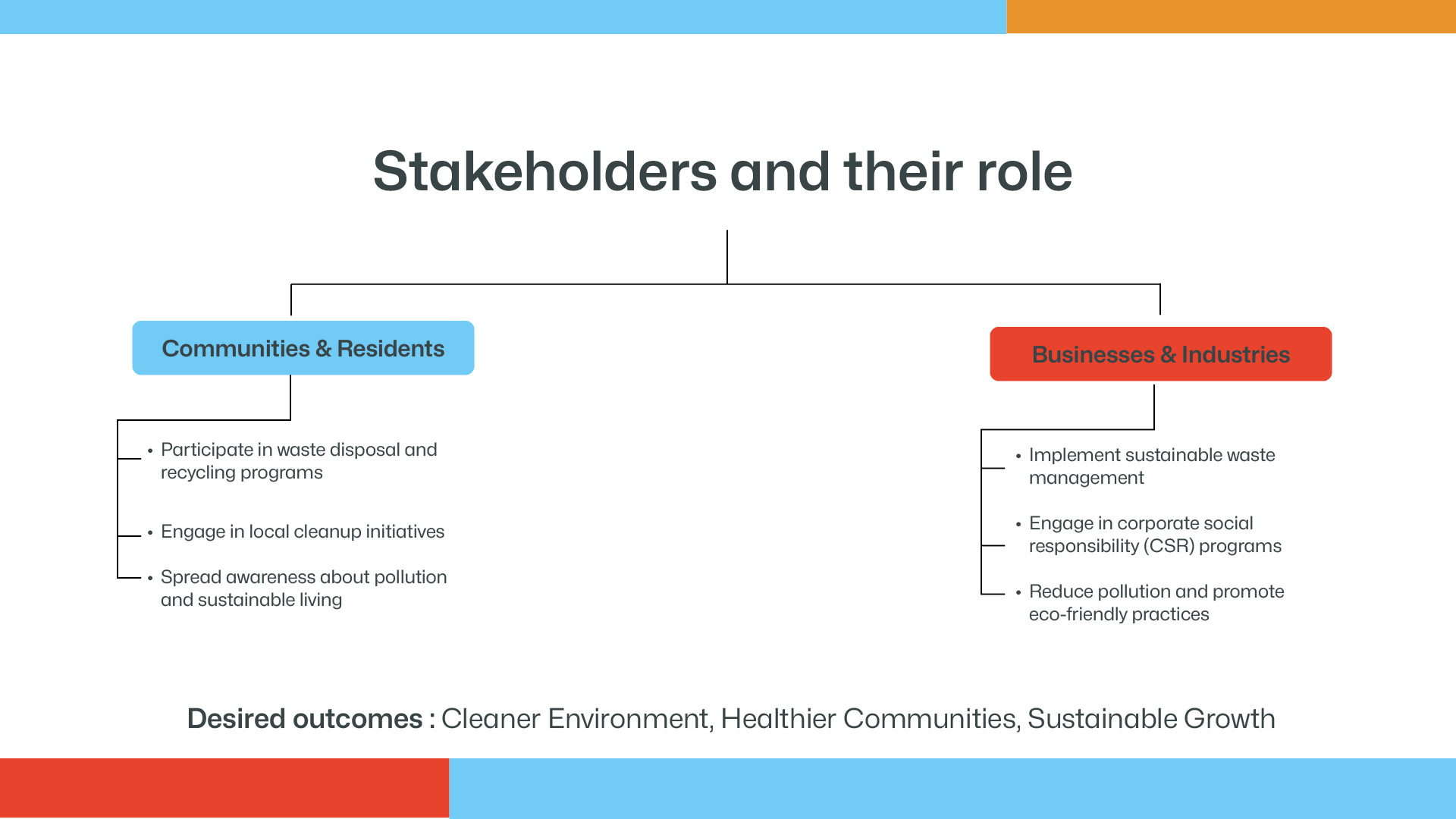
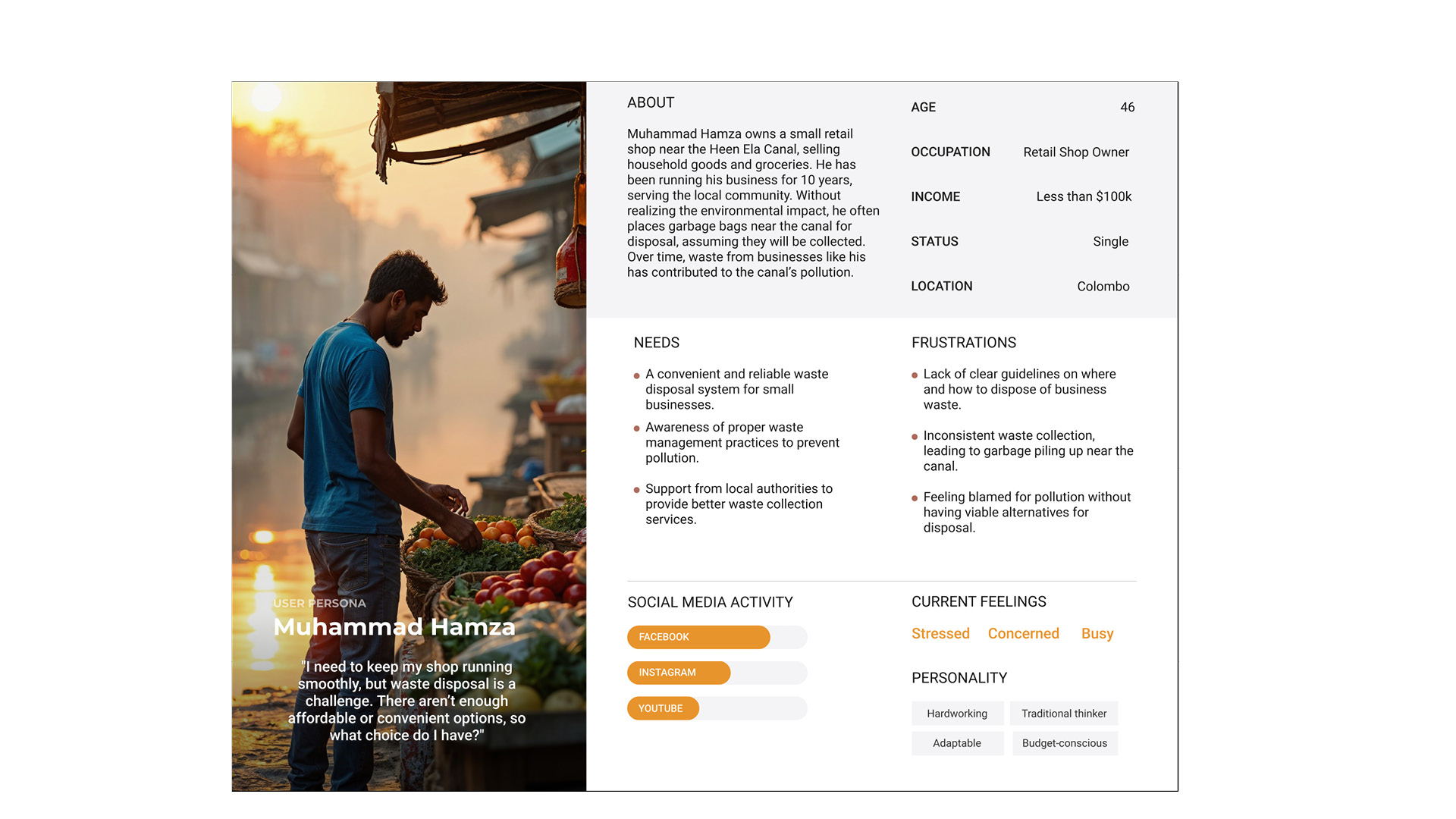
The intervention focused on local residents, small business owners, and youth communities living and operating around the Heen Ela canal corridor. These groups were directly contributing to and affected by the pollution, yet lacked structured engagement channels.
The strategy prioritised:
- Residents who dispose of household waste nearby
- Small vendors and businesses generating packaging and organic waste
- Young community members and students who could act as change advocates
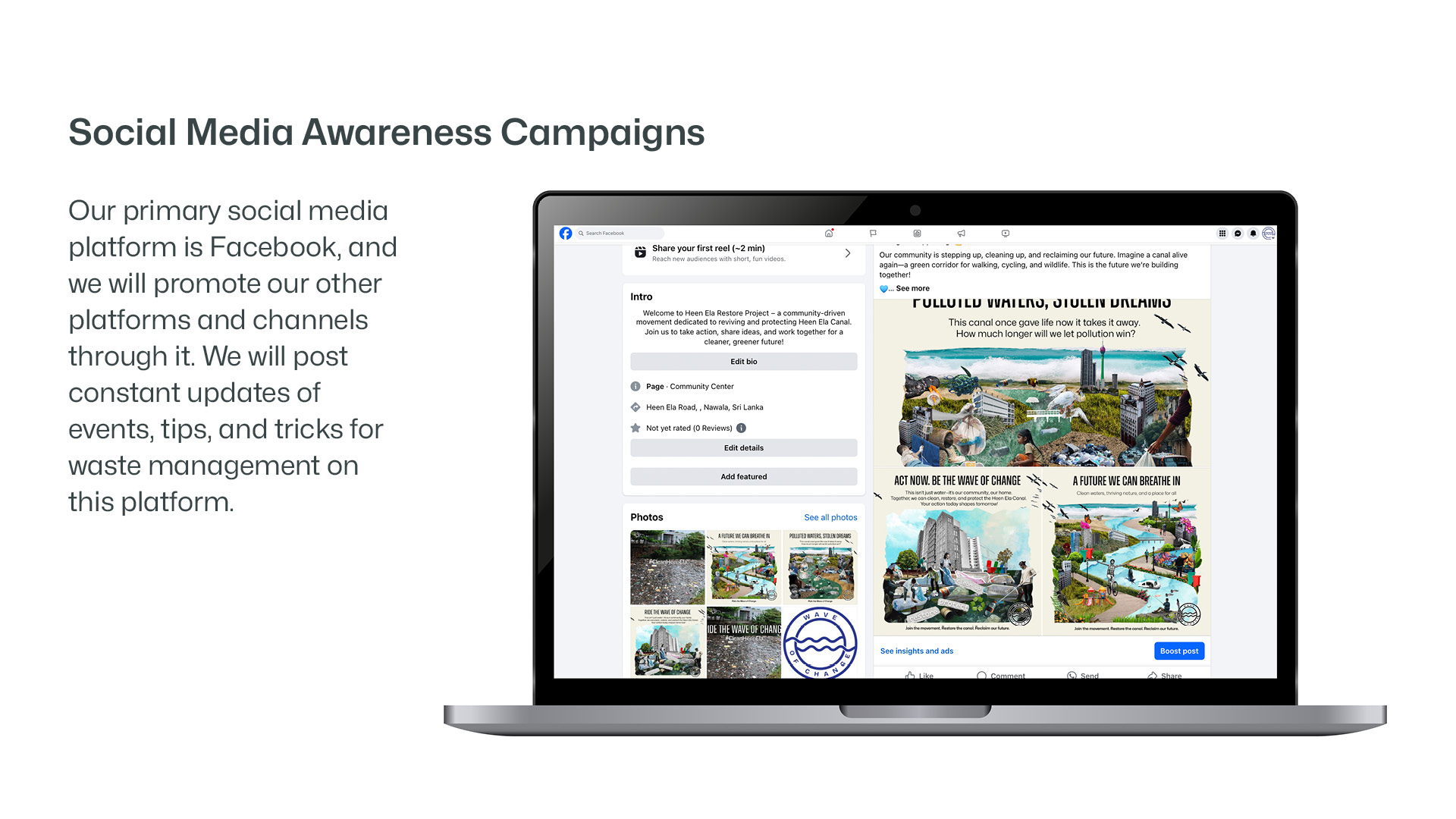
By combining physical campaign materials with community activation and digital reporting proposals, the project aimed to influence behaviour both in public spaces and within daily routines.
Reflection
Through this project, I strengthened my understanding of how design thinking can be applied to real-world community problems. I experienced moments of uncertainty within the process, but iterative exploration and continuous refinement led to clearer strategic direction.
Key learnings include:
- Community-centered design requires listening before proposing solutions.
- Storytelling can shift dominant narratives and influence public perception.
- Environmental challenges are deeply connected to human behavior and systems.
- Effective solutions must consider both social impact and long-term sustainability.
Moving forward, I would expand this project by integrating interactive and digital components to support waste reporting, public participation, and measurable community engagement.
Most importantly, this project strengthened my ability to navigate ambiguity, trust iterative processes, and design for both people and the planet.